A new study from the University of Leeds and the University of León has looked at why people buy too much, rather than just how much they buy. The HABIT project (Habit Awareness and Behavioural Intervention Training) worked with young adults in the UK and Europe, tracking their online fashion purchasing before and after a short educational intervention: a habit loop workshop, journalling and a future-self letter-writing exercise.
The results were significant. Participants cut their spending by an average of 28%, while the most extreme purchasing behaviour – buying six or more items at a time – disappeared entirely. Modal time spent browsing dropped from two hours to 45 minutes.
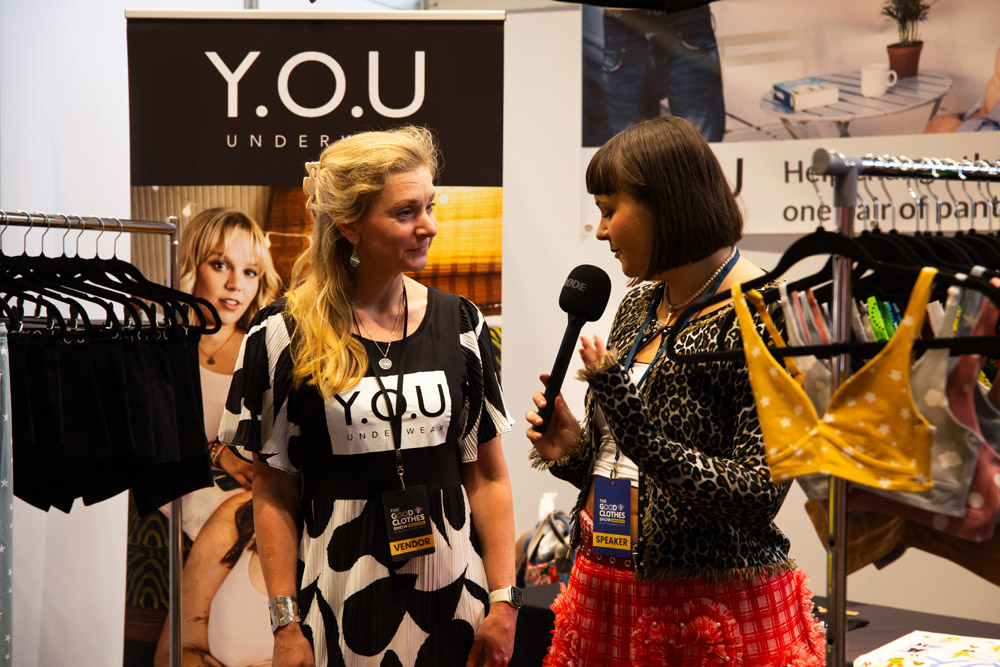
The report findings were presented by one of the report authors, Edel Moore, at the Network Plus conference in Leeds at the end of April. Edel explained that the physical product is not always the primary motivation for overconsumption. The buying loop itself – the scroll, the add-to-basket, the dopamine hit of a parcel arriving – is the reward. Fashion shopping has become entertainment, mood regulation, social currency, and the clothes themselves are almost incidental. This is significant for independent brands, expecially in this challenging economic climate, although perhaps not in the way you might expect. It isn’t a reason for pessimism – it’s why taking a different approach matters more than ever.
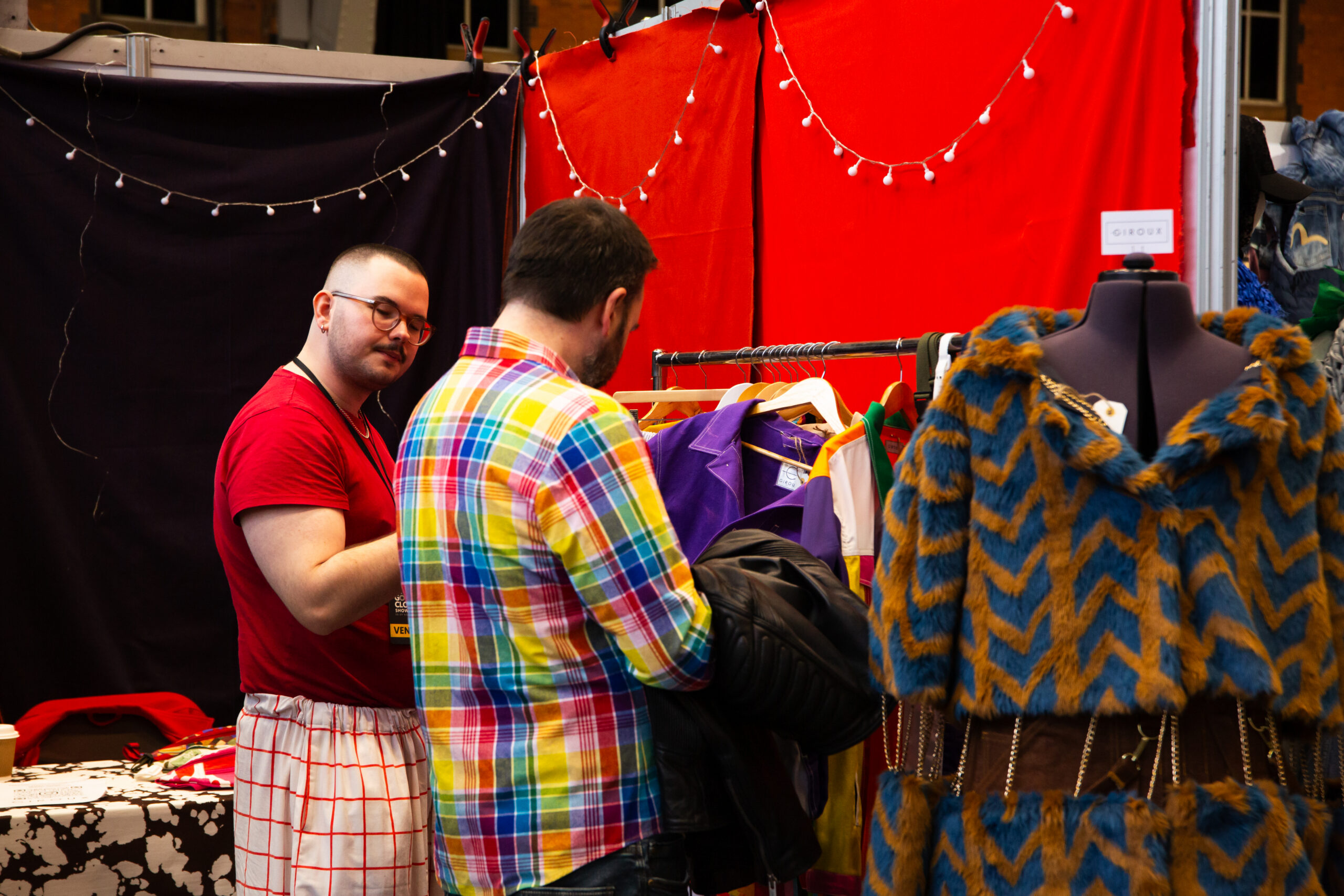
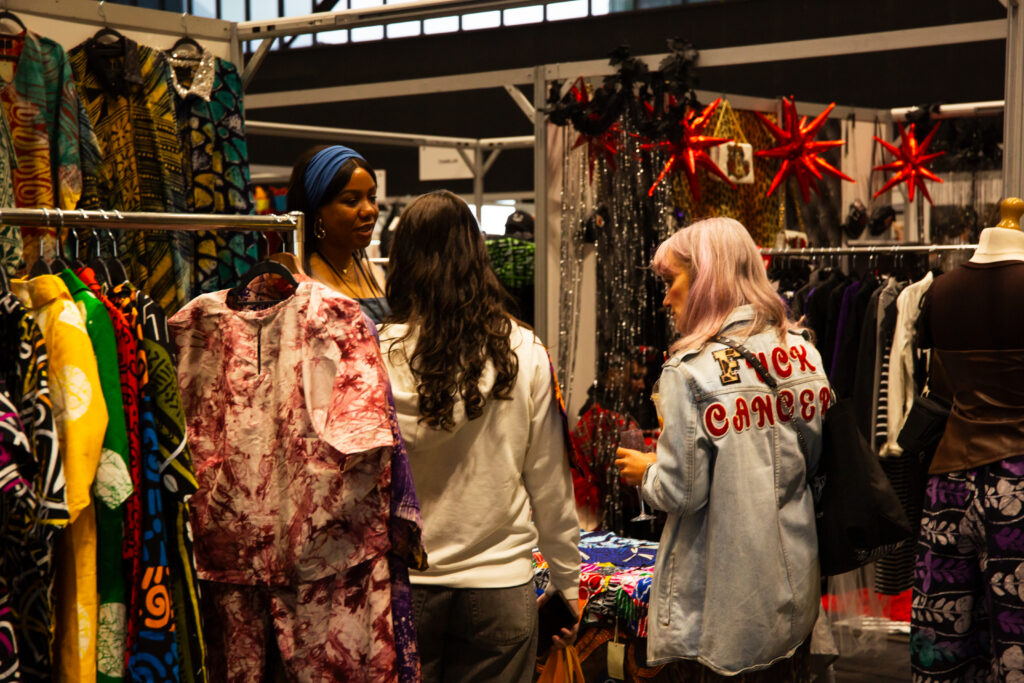
When someone visits your shop or stand and picks up a piece, asks where it came from, that exchange is already outside the loop the researchers are describing. There’s no algorithm suggesting it to them. No one-click checkout. The friction points are the point. Yes, it’s easy to walk away, but it’s also easy to stop people doing so by engaging in honest conversation. By telling a better story through store design, signage, hang tags. The HABIT research suggests that many people long to step out of the automated buying cycle, even if they don’t always know how to do this. You offer them a way forward.
This connects to something I’ve been thinking about more broadly and which I covered in my first article Beyond the Transaction: on what makes independent fashion different. You aren’t just offeringa different product. You are offering an entirely different relationship to buying itself. Not only is it slower and more deliberate, it’s also more rooted in the story of what something is and where it came from, be it a classic seventies floral dress, an antique brooch or a handknit jumper. The sped-up automated buying cycle is not the only way forward. People are ready for a different relationship with buying. And you’re already offering it.
The Leeds research is part of a larger UKRI-funded programme called Network Plus in Circular Fashion and Textiles. You can read more on this research here https://circulartextilesportal.org/resource/three-minute-read-breaking-the-fashion-habit-efficacy-of-education-as-a-behavioural-intervention/ and explore more reports on the portal here: https://circulartextilesportal.org/portal/